
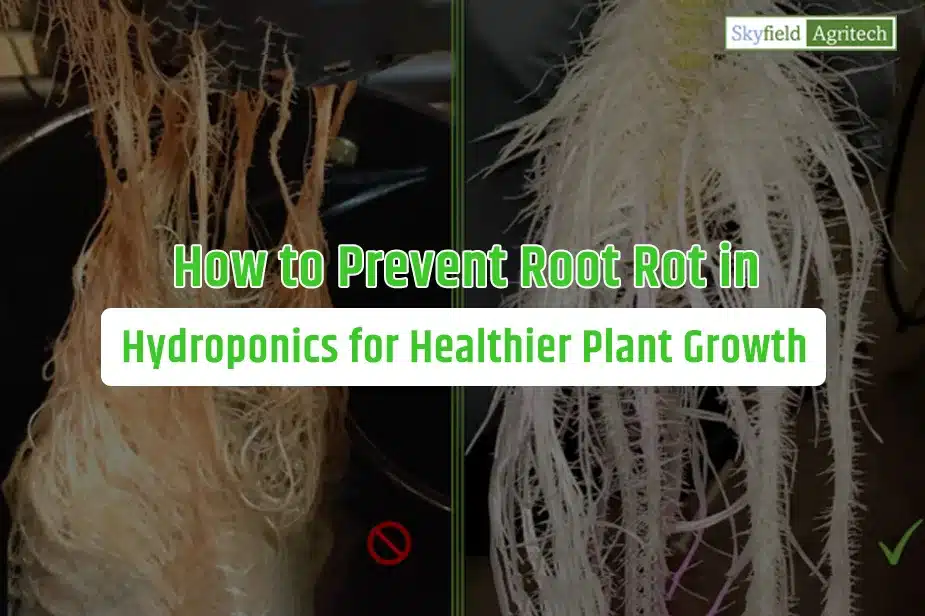
You set up your hydroponic system thinking it will be smooth. Clean water, good light, plants growing fast. For a while it works. Then one morning the leaves look tired and the roots… they do not look white anymore. They feel slippery between the fingers. That small moment of confusion is usually how root rot in hydroponics first shows itself.
This problem is more common than many new growers expect. Plant pathologists have written for years that water-borne fungi like Pythium spread easily in warm, low-oxygen nutrient solutions. It is not something rare or dramatic. It happens quietly in both small home systems and big commercial farms.
What catches people off guard is how invisible it starts. You keep checking nutrients and lights, thinking those are the main things. Meanwhile the roots are struggling under the surface. By the time the leaves show stress, the damage has already begun. That is why learning how to prevent root rot early saves a lot of plants later.
What Is Root Rot in Hydroponics?
Think of healthy roots like fresh noodles. Light colour, a bit firm, no smell. Now imagine them turning brown and slippery. That is root rot in hydroponics. The roots stop drinking water properly and the plant above starts acting tired even when everything looks “correct” on the surface.
The strange part is, it happens below the water line where you rarely look. Leaves may still be green for a while. Meanwhile the roots are slowly breaking down. This is what people call hydroponic root rot. Not dramatic at first, just quiet damage building in the background.
Common Causes of Root Rot in Hydroponic Systems
It usually is not one big error. More like small habits stacking up. A skipped cleaning here, slightly warm water there, oxygen forgotten for a week. These common hydroponic farming mistakes do not shout, they whisper.
Typical causes growers run into:
- Low oxygen levels in hydroponics: Roots need air even inside water. No bubbles, no breathing. They weaken fast.
- Warm nutrient solution: Heat makes bacteria and fungi comfortable. Roots, not so much.
- Dirty reservoirs and pipes: Old slime or residue becomes a hiding spot for pathogens without you noticing.
- EC and pH imbalance hydroponics: When numbers swing too much, roots get stressed and easier to infect.
- Hydroponic nutrient solution issues: Too strong, too weak, badly mixed. The roots cannot decide what to absorb.
In hotter regions, like hydroponic farming in UAE, water temperature becomes a bigger troublemaker. A few extra degrees and the root zone starts feeling suffocated before you even realise it.
Early Signs to Spot Before It Gets Worse
Root rot almost never starts with drama. No alarms. No sudden collapse. The plant just looks… slightly off. You stare at it and think maybe it needs more light or nutrients. Meanwhile the roots under the water are already struggling. This is how hydroponic root rot usually sneaks in.
Small clues growers often miss:
- Roots losing their bright white colour: They go dull first, then brown. Not all at once. Bit by bit.
- Slippery feel when touched: Healthy roots feel firm. Rotting ones feel like wet threads.
- Strange smell from the tank: Not strong at first. Just a faint sour or swampy hint.
- Leaves drooping even though water is there: Looks like thirst, but the roots cannot drink properly.
- Growth slowing down for no clear reason: Light is fine. Nutrients are fine. Still the plant hesitates.
Many times this connects back to hydroponic nutrient solution issues or poor oxygen levels in hydroponics. The signs are soft whispers, easy to ignore until they are not.
Simple Steps to Prevent Root Rot
Prevention is less about fancy gear and more about small steady habits. Nothing heroic. Just regular care. When people search how to prevent root rot, they expect complicated answers. Truth is, most fixes are simple and a bit boring, but they work.
Things that quietly keep root rot in hydroponics away:
- Keep bubbles in the water: Roots need air even inside water. No oxygen, they suffocate slowly.
- Do not let the water run too warm: Warm water feels nice to bacteria, terrible to roots.
- Clean the reservoir before it looks dirty: Waiting until slime shows up is already late.
- Watch EC and pH, but do not obsess: Big swings hurt more than small shifts. Stability helps roots stay strong.
- Do not overfeed nutrients: Too much food becomes stress, then hydroponic nutrient solution issues follow.
Most common hydroponic farming mistakes are not huge errors. They are tiny routines skipped for weeks. Five minutes of checking now often saves the whole crop later.
Best Practices for Reservoir and Water Care
Most of the trouble does not start at the leaves. It starts in the water box sitting below, quietly minding its own business. From the top the water looks clear, almost perfect. But inside, tiny layers build up. Old nutrients, a bit of slime, things you do not notice until the roots complain. Good water care is really just not forgetting that this box exists.
Small habits help more than big clean-ups later:
- Change the water fully once in a while: Topping up is not the same thing. Old water carries old problems.
- Wipe the tank walls and corners: That thin slippery layer you feel with a finger is often where bacteria hide.
- Keep bubbles going: Proper oxygen levels in hydroponics matter more than people expect. Still water makes roots lazy and weak.
- Do not let the water run warm for days: Warm water feels fine to touch, not fine for roots.
- Check EC and pH without obsessing: Sudden swings create hydroponic nutrient solution issues and roots feel the stress first.
It is less about scrubbing every day and more about not ignoring it for weeks. A quick look, a small rinse, a few bubbles. That is often enough to keep root rot in hydroponics away.
What to Do If Root Rot Already Shows Up
The first time you see brown, slippery roots, the heart drops a little. That is normal. But panic usually makes people overdo things. Calm steps work better. Hydroponic root rot treatment is possible if the rot is caught early enough.
What growers usually do when hydroponic root rot appears:
- Lift the plant and rinse the roots gently: Clean water, slow hands. No rough pulling.
- Trim only the mushy parts: Anything firm and pale stays. Soft brown pieces go.
- Empty the reservoir and start fresh: New solution matters more than stronger nutrients here.
- Increase aeration right away: Extra air gives surviving roots a fighting chance.
- Lower nutrient strength for a few days: Heavy feeding during recovery often creates more hydroponic nutrient solution issues.
Some plants recover faster than expected. Others take time. The key is catching it before the entire root mass turns to sludge. Once it spreads too far, even the best fix struggles.
Conclusion
In hydroponics, roots are everything. When they stay white and firm, the plant above usually follows along happily. Root rot in hydroponics starts small, almost invisible, but it spreads faster than most growers expect. A little attention to water, oxygen, and cleanliness often saves weeks of effort later.
The good part is, prevention is not complicated. Steady routines, balanced nutrients, and proper oxygen levels in hydroponics already reduce most risk. And even if hydroponic root rot shows up, early hydroponic root rot treatment can still bring plants back. It is less about perfection and more about not ignoring the small signs.
FAQs
1. How do I prevent root rot in hydroponics naturally?
Keep water clean, maintain good aeration, and avoid overfeeding nutrients. Simple routines work best.
2. Can hydroponic root rot be fixed once it starts?
Yes, if caught early. Gentle cleaning and fresh nutrient solution often help recovery.
3. Why do hydroponic roots turn brown even with nutrients?
Usually due to low oxygen, warm water, or hydroponic nutrient solution issues, not lack of food.

